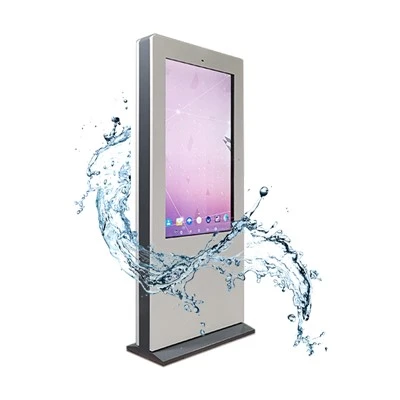


Yes, an all-in-one touch screen kiosk can absolutely be used in museums, and it brings a ton of awesome benefits to the table. As a supplier of all-in-one touch screen kiosks, I've seen firsthand how these devices can transform the museum experience for both visitors and staff.
Enhanced Visitor Engagement
One of the biggest advantages of using touch screen kiosks in museums is the ability to engage visitors in a more interactive way. Instead of just walking through the exhibits and looking at the displays, visitors can actually interact with the kiosks and learn more about the artifacts and the history behind them. For example, they can use the touch screen to zoom in on a particular artifact, read detailed descriptions, watch videos, or even listen to audio guides. This kind of interactive experience is much more engaging than the traditional passive approach, and it can help visitors to better understand and appreciate the museum's collection.
Let's say you have a kiosk placed next to an ancient Egyptian artifact. Visitors can use the touch screen to explore the different aspects of the artifact, such as its construction, the materials used, and the cultural significance. They can also watch a short video about the excavation process or listen to an audio guide that provides more in-depth information. This not only makes the visit more interesting but also encourages visitors to spend more time at the museum and learn more about the exhibits.
Moreover, touch screen kiosks can be customized to suit the specific needs and interests of different types of visitors. For example, you can create different levels of content for kids, students, and adults. The kiosks can also be programmed to provide multilingual support, which is especially useful for international visitors. By offering a personalized and interactive experience, museums can attract a wider audience and improve visitor satisfaction.
Improved Information Accessibility
In addition to enhancing engagement, touch screen kiosks can also improve information accessibility in museums. Instead of relying on printed brochures or guidebooks, which can be easily lost or damaged, visitors can access all the information they need directly from the kiosks. This includes details about the exhibits, the museum's history, upcoming events, and more. The information can be updated in real-time, ensuring that visitors always have access to the latest and most accurate information.
For instance, if there's a new exhibit opening at the museum, the kiosks can be updated to provide all the relevant information, such as the opening date, the duration of the exhibit, and the highlights. Visitors can also use the kiosks to plan their visit, including finding the best routes to different exhibits and checking the availability of guided tours. This makes the museum experience more convenient and efficient for visitors.
Another benefit of touch screen kiosks is that they can provide information in a variety of formats. In addition to text and images, they can also display videos, audio clips, and interactive maps. This makes the information more engaging and easier to understand, especially for visitors who learn better through visual or auditory means.
Cost-Effective Solution
Using touch screen kiosks in museums can also be a cost-effective solution for several reasons. First of all, they can reduce the need for printed materials, such as brochures, guidebooks, and maps. This not only saves money on printing and distribution costs but also helps to reduce the environmental impact of the museum.
Secondly, touch screen kiosks can replace some of the traditional staffed information desks. While museum staff will still be needed to provide personal assistance and guidance, kiosks can handle the basic information requests, such as providing directions and answering frequently asked questions. This can free up staff time and allow them to focus on more important tasks, such as providing guided tours and interacting with visitors on a more personal level.
Finally, touch screen kiosks can be a long-term investment for museums. Once installed, they require minimal maintenance and can be easily updated with new content and features. This means that museums can continue to use the kiosks for many years to come, making them a cost-effective solution in the long run.
Types of All-in-One Touch Screen Kiosks for Museums
There are several types of all-in-one touch screen kiosks that can be used in museums, depending on the specific needs and requirements. Here are some of the most common types:


- Standalone Kiosks: These are freestanding kiosks that can be placed anywhere in the museum. They are typically large and have a high-resolution touch screen, making them ideal for displaying detailed information and multimedia content. Standalone kiosks can be used for a variety of purposes, such as providing exhibit information, offering virtual tours, or facilitating interactive games and activities.
- Wall-Mounted Kiosks: Wall-mounted kiosks are designed to be installed on the wall, saving floor space and providing a more streamlined look. They are a great option for smaller museums or areas where space is limited. Wall-mounted kiosks can be used for similar purposes as standalone kiosks, but they may have a smaller screen size and less powerful hardware.
- Desktop Kiosks: Desktop kiosks are smaller and more portable than standalone or wall-mounted kiosks. They can be placed on a table or a counter and are ideal for providing information at specific exhibits or areas of the museum. Desktop kiosks are often used for interactive touch screen exhibits or for allowing visitors to access additional information about a particular artifact.
Integrating All-in-One Touch Screen Kiosks with Museum Exhibits
To get the most out of all-in-one touch screen kiosks in museums, it's important to integrate them effectively with the museum's exhibits. Here are some tips on how to do this:
- Place kiosks strategically: Kiosks should be placed in areas where visitors are likely to stop and interact with them. This could be near popular exhibits, at the entrance or exit of the museum, or in areas where there is a lot of foot traffic. By placing kiosks strategically, you can ensure that they are easily accessible and visible to visitors.
- Align kiosk content with exhibits: The content on the kiosks should be closely aligned with the exhibits. This means providing detailed information about the artifacts, the history behind them, and any related cultural or scientific concepts. You can also include multimedia content, such as videos, audio clips, and 3D models, to enhance the visitor experience.
- Create interactive experiences: Kiosks can be used to create interactive experiences that encourage visitors to engage with the exhibits in new and exciting ways. For example, you can develop interactive games, quizzes, or scavenger hunts that are related to the museum's collection. This not only makes the visit more fun but also helps to reinforce the learning objectives.
Conclusion
In conclusion, all-in-one touch screen kiosks are a valuable addition to museums. They offer a range of benefits, including enhanced visitor engagement, improved information accessibility, and cost-effectiveness. By choosing the right type of kiosk, integrating it effectively with the museum's exhibits, and providing engaging content, museums can create a more immersive and educational experience for their visitors.
If you're a museum professional interested in learning more about how all-in-one touch screen kiosks can benefit your institution, I'd love to chat. You can also check out our Commercial Touch Screen Display, Touch Screen Panel for Teaching, Big Touch Screen Monitor for Teaching, Large Interactive Screen, and Interactive Screens for Business to see the wide range of options we have available. Let's work together to take your museum to the next level!
References
- Museum Exhibition Design Handbook
- Interactive Technologies in Cultural Heritage
- Best Practices for Using Digital Kiosks in Museums